


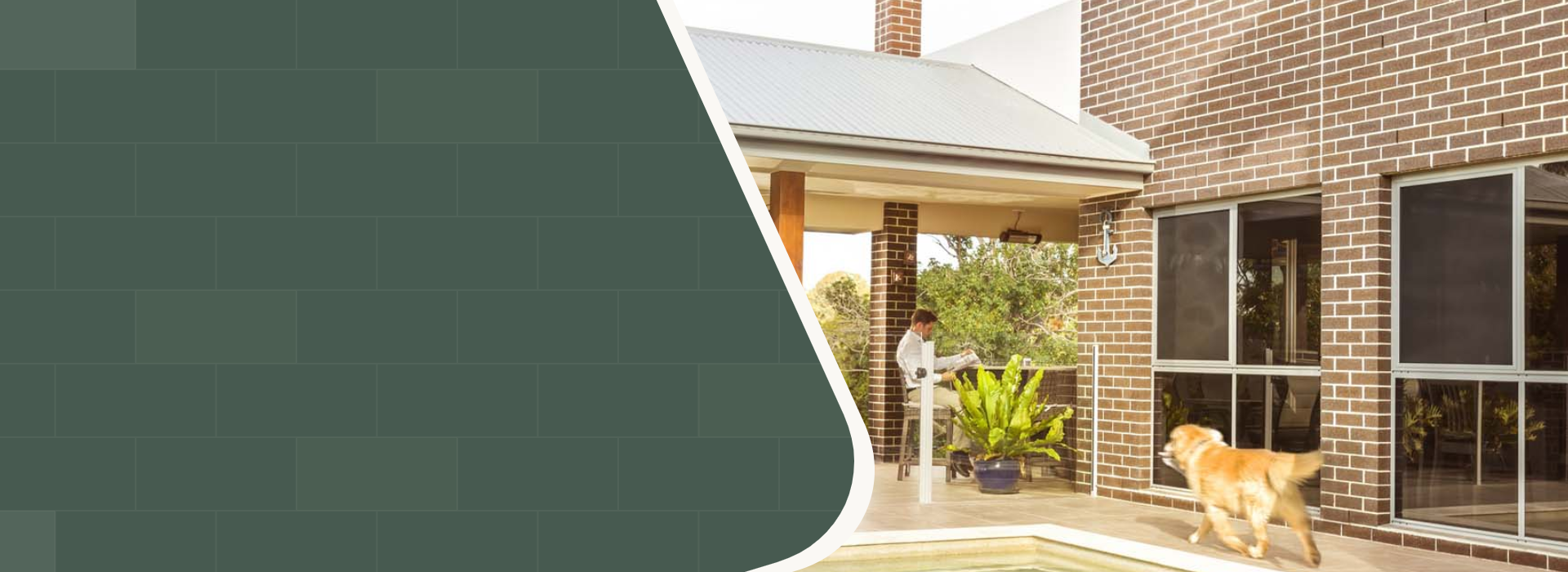

What Are Bricks and How Are They Made?
Bricks remain one of the most widely used construction materials in Australia, found in everything from suburban Brisbane homes to commercial walls across Sydney's inner west. At their simplest, they're small rectangular units of fired clay or cured concrete, laid in regular courses to form walls that carry load, control weather and last for decades. The Australian market splits along two main manufacturing methods - clay bricks fired in tunnel kilns, and concrete bricks cast in masonry plants, and within each category you'll find a wide range of textures, colours and formats developed for different climates, design briefs and budgets.
Clay bricks vs concrete bricks
Clay bricks start as natural clay that's extruded or pressed to shape, then fired at around 1,000°C. The firing locks the colour permanently and produces a unit that's dimensionally stable, weather-resistant and well suited to face work where appearance matters. Most architectural and residential face bricks supplied by PGH Bricks and Austral fall into this category. Concrete bricks are cast in steel molds from cement, sand and aggregate, then cured under controlled conditions. They tend to be more uniform, often cheaper per unit, and stronger in compression, which makes them a common choice for structural infill and back-up walls behind a clay face.
Recycled and specialty bricks
Recycled bricks Australia-wide are typically reclaimed from demolitions of older homes, particularly Queenslanders and Federation-era cottages around Brisbane and Sydney. They carry a weathered patina that new manufacturing can't replicate, which is why heritage renovations and character extensions often specify them. Specialty bricks cover everything outside the standard 230x110x76mm format: thinner veneers for cladding overlays, double-height bricks for faster lay rates on large clean walls, and perforated or frogged bricks that improve mortar grip. Genuine recycled stock varies in colour and availability, so projects with specific matching requirements usually need confirmation before ordering.
Common Types of Bricks Used in Australia
The bricks specified on Australian sites generally fall into three working categories — face bricks for visible external walls, common bricks for hidden structural work, and double bricks for faster builds. Understanding face bricks vs common bricks is one of the first questions builders work through when quoting a new build.
-

Face Bricks
Face bricks are the visible architectural units used on external walls, exposed internal brickwork and feature courses. They're manufactured to tight colour and dimensional tolerances and come in textures ranging from smooth pressed faces to coarse sandstock and tumbled finishes.
-

Common Bricks
Common bricks are unfinished structural units used inside cavity walls, behind render, or as the back-up leaf in double-brick construction. They're stronger and cheaper than face bricks but carry no finished face - order them when nothing on the wall will be visible.
-

Double Bricks
Double bricks measure 230x110x162mm — roughly twice the height of a standard brick — making them ideal for projects where you want to reduce laying time and mortar joints without sacrificing strength. They're a popular choice for feature walls, garden borders, and structural applications where efficiency and a bold, clean finish matter.


The Brands We Supply








Standard Brick Sizes and Formats in Australia
The standard Australian brick is 230mm long × 110mm wide × 76mm high, sometimes called the "76mm module." This is the size most builders default to unless the spec calls for something else, and it's the format you'll find across PGH, Austral and most common brick ranges. The 110mm width matches Australian wall thicknesses, and the 76mm height gives roughly four courses per 320mm of wall once mortar joints are added.
Standard Bricks Dimensions
- 230 × 110 × 76mm — standard 76mm module, used across most residential face brickwork and structural common brick.
- 230 × 110 × 119mm — taller 119mm module, lays faster and gives a stronger horizontal feature line, often used in commercial and architectural projects.
Less Common Brick Dimensions Include:
- 230 × 110 × 162mm — double-height brick, halves labour time on large clean walls.
- 390 × 110 × 50mm — long, flat brick used for contemporary linear coursework, often in feature walls and entry facades.

How size affects quantities and cost
Brick size has a direct effect on both the quantity needed and the labour the wall takes. A standard wall in the 76mm format uses roughly 50 bricks per square metre of single-skin wall, while the same wall in the 119mm format drops to around 33 per square metre. That's the rule of thumb most estimators work to, though mortar joints, openings, returns and wastage all shift the final number. If you're working out how many bricks do I need for a given wall, the quickest method is to calculate the wall area in square metres, multiply by the bricks-per-square-metre figure for your chosen format, then add 5–10% for cuts and breakages. Cost per brick is only part of the picture: a cheaper brick in a smaller format takes longer to lay and uses more mortar, which can push the total wall cost above a slightly more expensive larger-format brick.
Where Different Bricks Are Best Used
Bricks aren't a one-size-fits-all material. The right unit depends on what the wall has to do, where it sits in the building, and how it'll be finished. A face brick on a coastal Gold Coast home faces very different conditions to a structural common brick buried in a retaining wall, and they're priced and specified accordingly.
See our guide on face bricks vs common bricks to discover which you need -->
-

Residential homes
The bulk of brick sales in Australia goes into residential face work - single-storey homes, two-storey builds and renovation extensions. Face brick in the 76mm or 119mm format dominates, paired with common brick or block back-up walls.
-

Landscaping applications
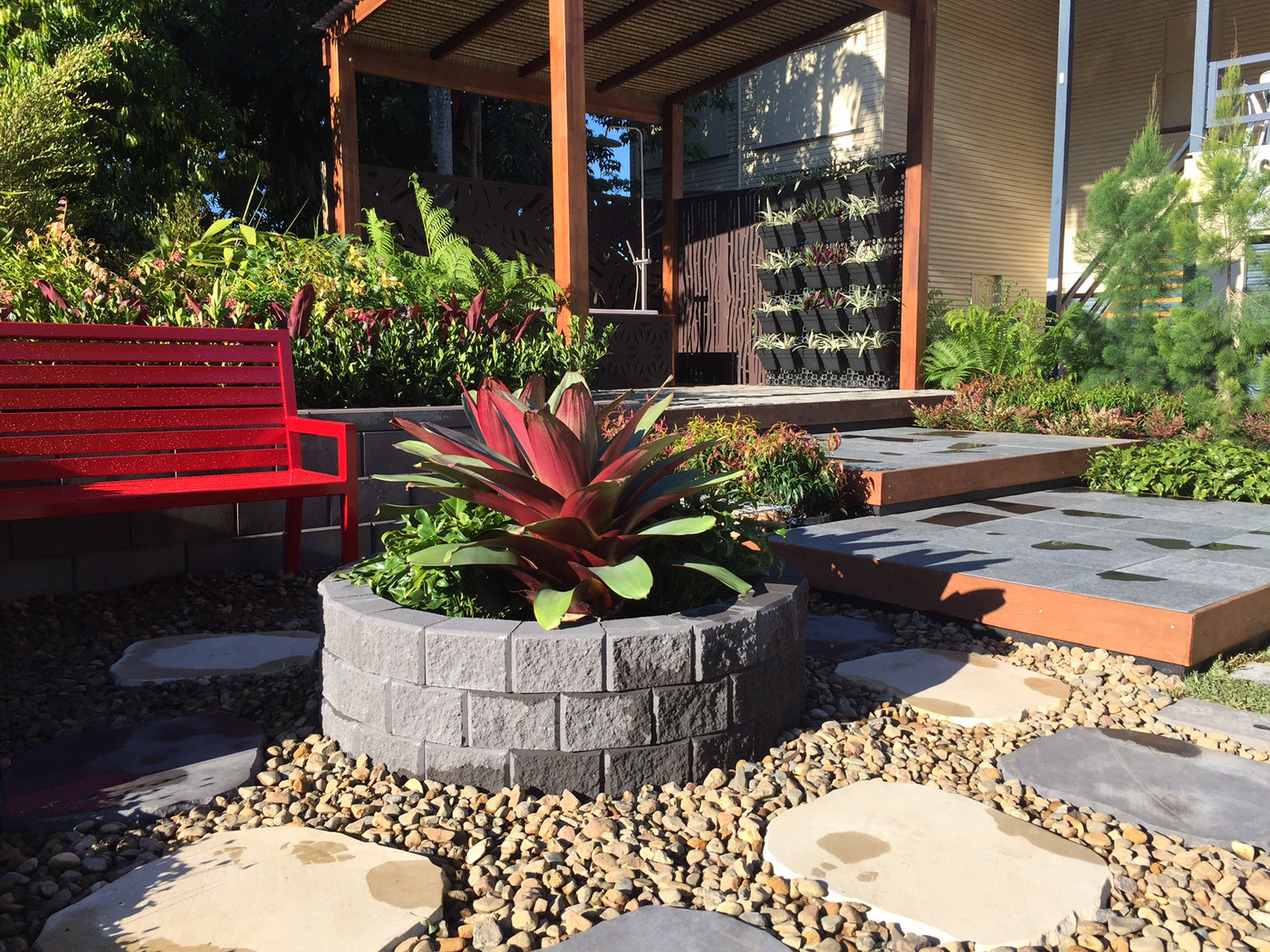
Bricks see heavy landscaping use beyond housing: garden edging, brick paving for driveways and paths, low garden walls and combined work with retaining wall blocks. Engineered and dense common bricks are usually preferred outdoors because they hold up to ground moisture.
-

Structural vs non-structural use
Structural brickwork carries load - foundations, walls supporting upper floors, retaining structures. Non-structural brickwork is purely facade work sitting in front of a separate structural frame. Different bricks suit each role, and getting it wrong is a frequent specification mistake.


Colour, Texture and Finish Considerations
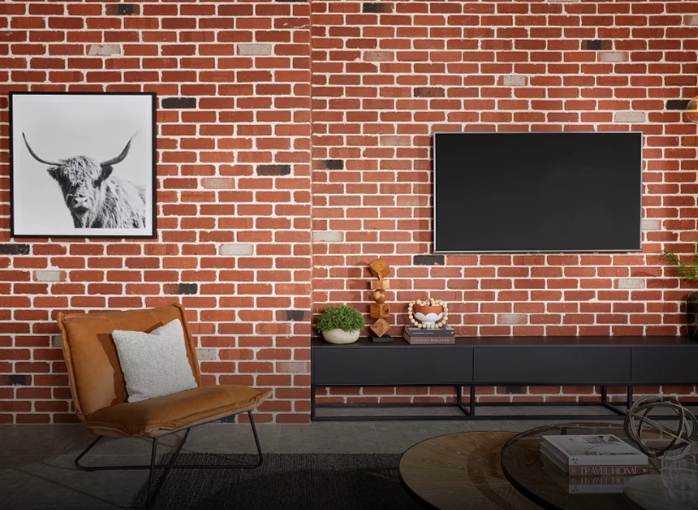
Once the structural side is settled, the visible choice comes down to colour, texture and finish, and this is where most homeowner decisions stall. Australian face brick ranges cover everything from soft whites and creams through to deep reds, smoky greys and near-black. Texture varies from smooth pressed faces to coarse sandstock and tumbled finishes that mimic reclaimed brick. The choice affects how the home reads visually, how it weathers, and how easily it can be matched in any future extension.
Matching existing homes
For renovations and additions, matching the existing brick is one of the most common requests across Brisbane, the Gold Coast and northern NSW. Manufacturers do retire colours, so an exact match to a 1990s or older home isn't always available. The practical approach is to bring a sample brick to compare, either a loose unit from site or a clean photo with a colour reference, and check against current ranges. When an exact match isn't available, a deliberate contrast on the new section usually reads better than a near-match that looks like a mistake.
Climate considerations
East coast climates put different demands on brick. Coastal homes along the Gold Coast, Sunshine Coast and Sydney's beaches catch salt-laden air, so the best bricks for coastal homes are dense, low-absorption units that resist salt attack and surface spalling. Inland sites in southeast Queensland deal more with thermal movement from hot days and cool nights, where both the clay body of the brick and the flexibility of the mortar joint matter. Light-coloured face brick reduces heat gain on hot exposures, which is why it's a frequent specification on west-facing walls.

Brick Costs and Delivery Considerations
Brick costs Australia-wide vary widely depending on format, colour, brand, finish and order volume. As a rough guide, common bricks sit at the bottom of the price range, mid-tier face bricks fall in the middle, and premium architectural and sandstock ranges sit at the top. Freight is the part most buyers underestimate, bricks are heavy, palletised by the manufacturer, and delivered on flatbed trucks with crane unloading, which makes the delivery component a meaningful share of the final landed cost.
Cost drivers
The main drivers of brick cost are unit price, pallet quantity, freight distance and access at the unload point. Premium face bricks can cost two to three times the price of a common brick, but a small premium order on its own pallet carries the same freight cost as a much larger common brick order on a full truck. Builders quoting larger projects usually consolidate the brick order with other masonry materials so the freight spreads more efficiently across the load.
Access and unloading
How the truck gets in, and how the pallets come off, matters as much as the order itself. Most brick deliveries arrive on a flatbed truck with an onboard crane (HIAB), which needs clearance to swing and a hard, level area to set pallets down. Sites with overhead power, narrow driveways, soft ground or long carry distances need to be flagged at ordering. We deliver daily across Brisbane, the Gold Coast, the Sunshine Coast and down into Sydney, and runs are planned based on what each site can handle: delivery details and access notes are worth reviewing before booking the first drop.
See our full guide on how much bricks cost in Australia -->

How to Choose the Right Bricks
Choosing bricks for a house is rarely a single decision. It's a sequence of trade-offs across structure, appearance, climate, budget and timing, and the order you make those decisions in matters. Most successful brick selections start with the structural requirements, what the wall has to carry and where it sits in the assembly, then move to appearance, then to cost and delivery.
Questions to ask before ordering
Before placing the order, the questions worth answering are:
- Is this brick structural, non-structural, or both?
- What format is the rest of the build using, 76mm or 119mm?
- How many bricks per square metre, multiplied by wall area, plus a wastage allowance?
- Will the brick be exposed to coastal salt air, ground moisture, or high thermal load?
- Is there an existing brick on the property that needs to be matched or deliberately contrasted with?
- What's the access like at the delivery address, and is there clear space for crane unloading?
Confirming all six upfront removes most of the change orders that show up later in a build.
Common mistakes
The most frequent mistakes come from rushing the selection. Ordering the standard 76mm format when the rest of the wall is already laid in 119mm leaves the new course out of step. Ordering common brick for an exposed wall produces a wall that looks unfinished and weathers badly. Ordering on price alone, without checking lay rate or pallet quantity, can push the total wall cost above what a slightly better brick would have cost laid. For DIYers, the most common error is underestimating wastage and ordering too few. A few practical bricklaying tips for DIY work: lay a dry course first to set out spacing, mix mortar in small batches so it doesn't go off in the bucket, and check the wall for level and plumb every third or fourth course rather than at the end.
READY TO ORDER?
Bricks Blocks Pavers Online was founded with a mission to provide builders, tradies, and DIY enthusiasts across Australia with the highest quality bricks.
-
Premium Quality
Our bricks are sourced from leading manufacturers, ensuring long-lasting durability and exceptional performance.
-
Expert Advice
Our knowledgeable team of building professionals is always on hand to provide tailored guidance for your specific project.
-
Fast & Reliable Delivery
We pride ourselves on our efficient delivery network, ensuring your bricks arrive on time, every time.
-
Competitive Pricing
We offer our bricks at competitive prices without compromising on quality.


EMBRACING BRICKS: INSIGHTS & HOW-TOS
-
 | 5 mins read
Concrete Block Sizes Explained: 100, 150, 200, ...
Block size is one of those details that quietly shape a whole project, affecting structural strength, build time, and cost. Pick a block that's too light for the load, and...
-
 | 5 mins read
How To Build a Block Retaining Wall (Step-by-St...
A retaining wall is one of the most useful structures you can add to a sloping block, holding back soil, creating level ground, and turning an awkward slope into usable...
-
 | 5 mins read
Besser Blocks vs. Bricks: When to Use Each Mate...
Besser blocks and bricks both turn up on building sites across Australia, but they're built for different jobs rather than competing head to head. Picking the wrong one can add...


